How Long-Term Footcare Programs Are Built
In the footcare industry, many products succeed in their first launch.
Far fewer succeed over time.
For distributors and e-commerce brands, the real challenge is not bringing an insole to market — it is maintaining consistent performance across batches, regions, and seasons. What works once must work again, and again, at scale.
This is where the difference between a product supplier and an engineering partner becomes critical.
The Hidden Risk Behind “Successful” Insole Products
Most insole projects don’t fail because of poor design.
They fail because performance cannot be repeated.
As volumes grow, brands and distributors often face:
- Inconsistent cushioning feel between batches
- Customer feedback that varies by market or climate
- Rising returns, warranty claims, or rating drops
- Difficulty expanding SKUs without restarting development
These issues are rarely visible at the sample stage. They appear only when production scales — and by then, the cost of correction is high.
Supplier vs. Engineering Partner: A Structural Difference
A traditional supplier focuses on delivering products.
An engineering partner focuses on building programs.
The difference is not branding — it is process.
| Product Supplier | Engineering Partner |
| Delivers SKUs | Builds long-term product systems |
| Quotes by unit price | Designs by performance targets |
| Sample approval driven | Testing and validation driven |
| One-time orders | Multi-batch, multi-season planning |
| MOQ-focused | Consistency and scalability focused |
For long-term footcare programs, this structural difference determines whether growth is stable — or fragile.
What Defines a Long-Term Footcare Program?
A sustainable footcare program is not a collection of products.
It is a repeatable engineering framework.
At its core, it includes four elements:
1. Performance Definition
Before materials or shapes are selected, performance must be defined:
- Cushioning response
- Arch support behavior
- Pressure redistribution
- Durability over time
Without clear performance benchmarks, consistency cannot exist.
2. Material System Strategy
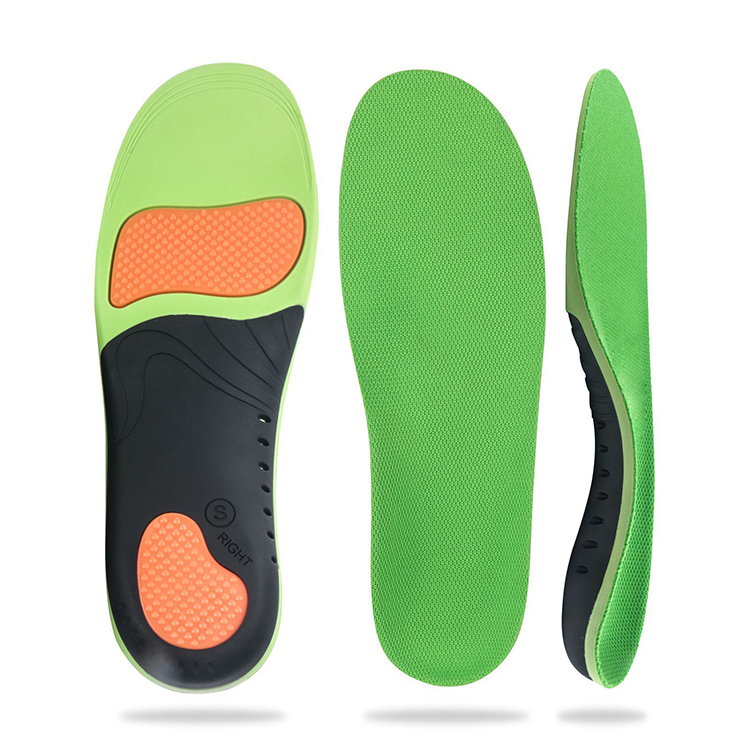
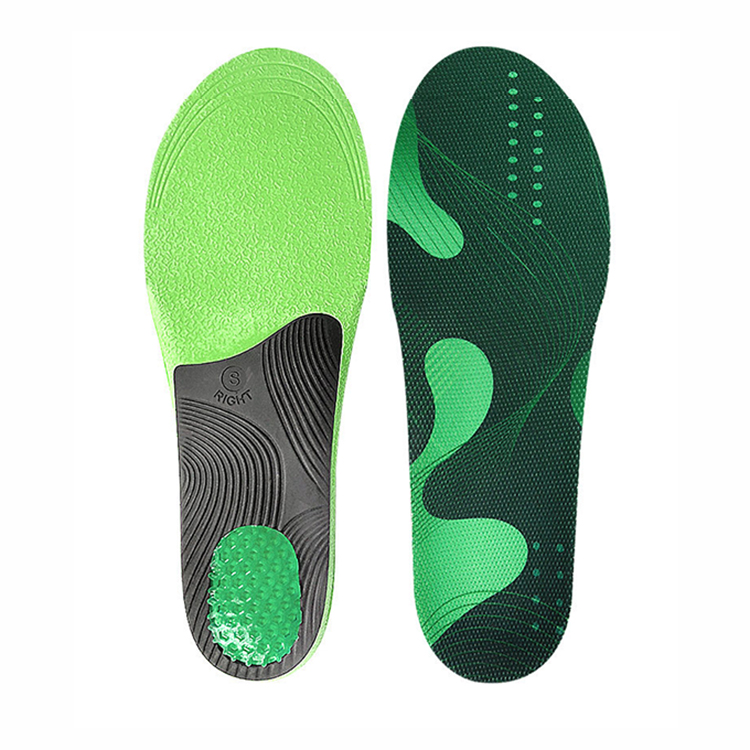
EVA, PU, Gel, and TPE are not interchangeable options — they are components of a system.
Long-term programs rely on:
- Controlled material formulations
- Layer interaction design
- Recovery and aging behavior analysis
The goal is not the softest feel, but the most stable performance curve.
3. In-House Testing & Validation
This is where many projects fail — or succeed.
In-house testing enables:
- Compression set control
- Flex and fatigue testing
- Recovery rate measurement
- Batch-to-batch comparison
Testing is not a marketing claim; it is how repeatability is protected.
4. Scale & Repeatability
True scalability means:
- The 2nd, 5th, and 10th batch feel the same
- Performance holds across different markets
- SKU expansion builds on existing platforms, not from zero
This requires process windows, QC gates, and engineering oversight — not just production capacity.
Why This Matters for Distributors and E-Commerce Brands
For distributors, consistency means:
- Fewer customer complaints
- Lower replacement and service costs
- Reliable performance across retail channels
For e-commerce brands, consistency means:
- Stable product ratings
- Lower return rates
- Higher repeat purchase and lifetime value
In both cases, long-term success depends on engineering discipline, not short-term sourcing.
From Manufacturing to Partnership
Long-term footcare programs are not built through transactions.
They are built through shared development logic.
An engineering partner does not simply deliver products —
they help define standards, validate performance, and support scale with confidence.
Who This Approach Is Designed For
This model is best suited for:
- Regional distributors and retail groups
- E-commerce and DTC footcare brands
- Brands developing private-label insole programs
- Companies planning multi-season product lines
If your goal is to build a footcare business that performs consistently over time, the partnership structure matters as much as the product itself.
Building for the Long Term
Successful footcare programs are not defined by a single launch.
They are defined by what remains consistent — year after year.